Signs Your Water Heater Is Failing (and What They Mean)
Rusty water, popping noises, lukewarm showers, a weeping relief valve and a creeping gas bill — ranked by how urgent each one really is.
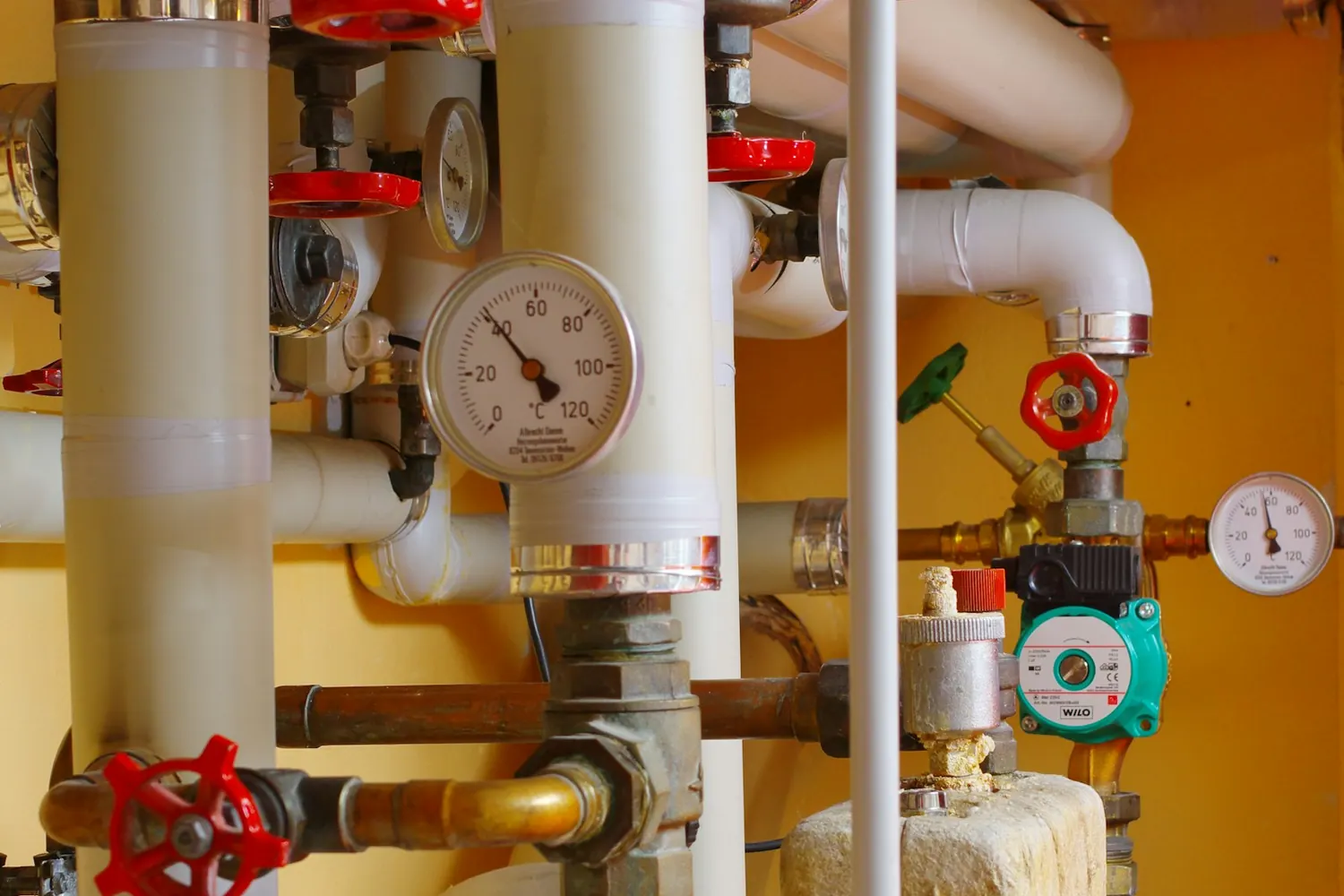
Water heaters almost always warn you before they fail. The problem is that the warnings are quiet, gradual, and easy to normalise — you stop hearing the popping, you get used to the shorter shower, you decide the damp patch on the slab has always been there. Then the tank lets go on a weekend.
Here are the signals worth paying attention to, in rough order of how seriously we treat them when a Rocklin homeowner describes them over the phone.
1. Rusty or Discolored Hot Water
Run the hot tap into a white cup. If the water looks tea-colored, brown or has visible flecks, something metallic is breaking down. Now run the cold tap. If the cold is clear, the heater is the source; if both are discolored, the problem is upstream in the supply or in old galvanised pipework.
Rust on the hot side usually means the anode rod has been consumed and the glass lining of the tank is no longer fully protected. That is not instantly fatal — on a younger tank, replacing the anode rod and flushing can genuinely extend its life. On a tank already past ten years, discolored hot water is a strong hint that the steel is corroding and the countdown has started.
2. Popping, Rumbling or Crackling
Sediment is the single most common cause of noise, and noise is the earliest warning most people get. Minerals drop out of the water and settle on the bottom of the tank, directly above the gas burner. Water trapped underneath that layer superheats and forces its way through it, which is the popping you hear.
Why it matters: that sediment blanket insulates the burner from the water it is supposed to be heating, so the burner runs longer and the steel at the bottom of the tank runs hotter than it was designed to. Overheated steel means stressed glass lining, and stressed lining is where corrosion begins. Caught early, this is a flush, not a replacement.
3. Lukewarm Water, or Hot Water That Runs Out Fast
If showers start warm and go cold faster than they used to, you are losing usable capacity. The usual culprits:
- Sediment taking up volume at the bottom of the tank and blocking heat transfer.
- A failed lower heating element on an electric unit — the classic symptom is a small amount of hot water followed by cold.
- A broken dip tube, which lets incoming cold water mix straight into the hot outlet instead of being delivered to the bottom.
- A thermostat drifting out of calibration, so the unit never reaches its set point.
- A unit that was always undersized for the household, which has nothing to do with failure at all.
Water that is lukewarm everywhere, all the time, is different from water that starts hot and runs out. Tell your plumber which one you have — it narrows the diagnosis immediately.
4. Water Pooling Under the Tank
This is the one symptom we treat as urgent. Before you panic, check the three innocent explanations:
- Condensation On a humid day, or on a newly refilled tank, cold lines and the tank base can sweat. It dries up and does not return.
- The relief valve discharge Follow the pipe from the T&P valve. If the water is coming out of the end of that line, the valve is discharging — a real issue, but not a dead tank.
- Fittings and the drain valve Dry everything, then look again in an hour. A drip from a union, a nipple or the drain valve is a repair.
If none of those explain it and water is appearing at the base of the tank itself, the inner tank has corroded through. There is no repair for that. Shut the cold inlet valve on top of the heater, turn the gas control to off or switch off the breaker, and arrange a replacement rather than waiting to see what happens.
5. Age
Age is not a symptom, but it is the context that makes every other symptom more or less serious. A conventional tank in a hard-water area typically gives somewhere in the region of ten to thirteen years — a general industry range, not a guarantee in either direction. Find the manufacture date on the data plate, or use the serial number, and write it on the jacket in marker. Then the next time something odd happens you are not guessing.
At eight years, a strange noise is a maintenance job. At fourteen, the same noise is a budgeting conversation.
6. A Gas or Power Bill That Keeps Creeping Up
Water heating is one of the larger energy loads in a typical home, so a heater losing efficiency shows up on the bill. The mechanism is the same sediment story: the burner has to fire longer to push heat through a mineral layer, and a tank with degraded insulation loses more standby heat between draws.
Rule out the obvious first — a new occupant, a longer-shower teenager, a seasonal rate change, a leaking hot tap or a failed recirculation pump timer running constantly. If none of those fit and the trend is steady over several bills, the heater is worth a look.
7. A Temperature & Pressure Relief Valve That Weeps
The T&P valve is the safety device that stops a water heater becoming dangerous. If it is dripping or discharging, it is either faulty or it is responding to a genuine over-pressure or over-temperature condition. Both need attention; neither should be plugged, capped or ignored.
Common causes are a thermostat set too high, a failed thermal expansion tank, high incoming water pressure, or simply an old valve that no longer seats. Testing the valve, checking static pressure at a hose bib and confirming the expansion tank still holds a charge sorts out which one you have.
What to Do With All of This
Group the signs into two piles. Noise, slow recovery, mild discoloration and a creeping bill are maintenance-and-diagnosis territory — they often come back from a flush, an anode rod and a repair. Pooling water at the base of the tank, rust bleeding through the jacket, or any of the above on a unit well past twelve years old belong in the replacement pile.
The genuinely useful habit is to look at your heater once a year. Two minutes with a flashlight — checking for moisture, rust streaks, scorching near the burner and the condition of the relief discharge line — catches almost everything on this list while it is still cheap.